
Conquer Golf Nerves: Mastering the Mental Game and Pre-Shot Routine on the First Tee
Golf is a challenging game, not just physically, but mentally as well. Many golfers find that even with consistent golf practice and skill, their performance can suffer due to nerves, especially on the first tee. This article explores the importance of the mental game in golf, focusing on how to conquer your nerves and establish a pre-shot routine to help reduce first tee jitters and play better golf.
Many golfers believe they need to feel confident or comfortable before hitting a shot — but that expectation often creates pressure instead of calm. True confidence comes from commitment. It’s not about feeling perfect; it’s about trusting your process and letting your routine do the work.
Watch this short clip with my student, Georgia, where we talk through exactly that idea — how commitment, not comfort, is what quiets nerves and leads to consistent shots.
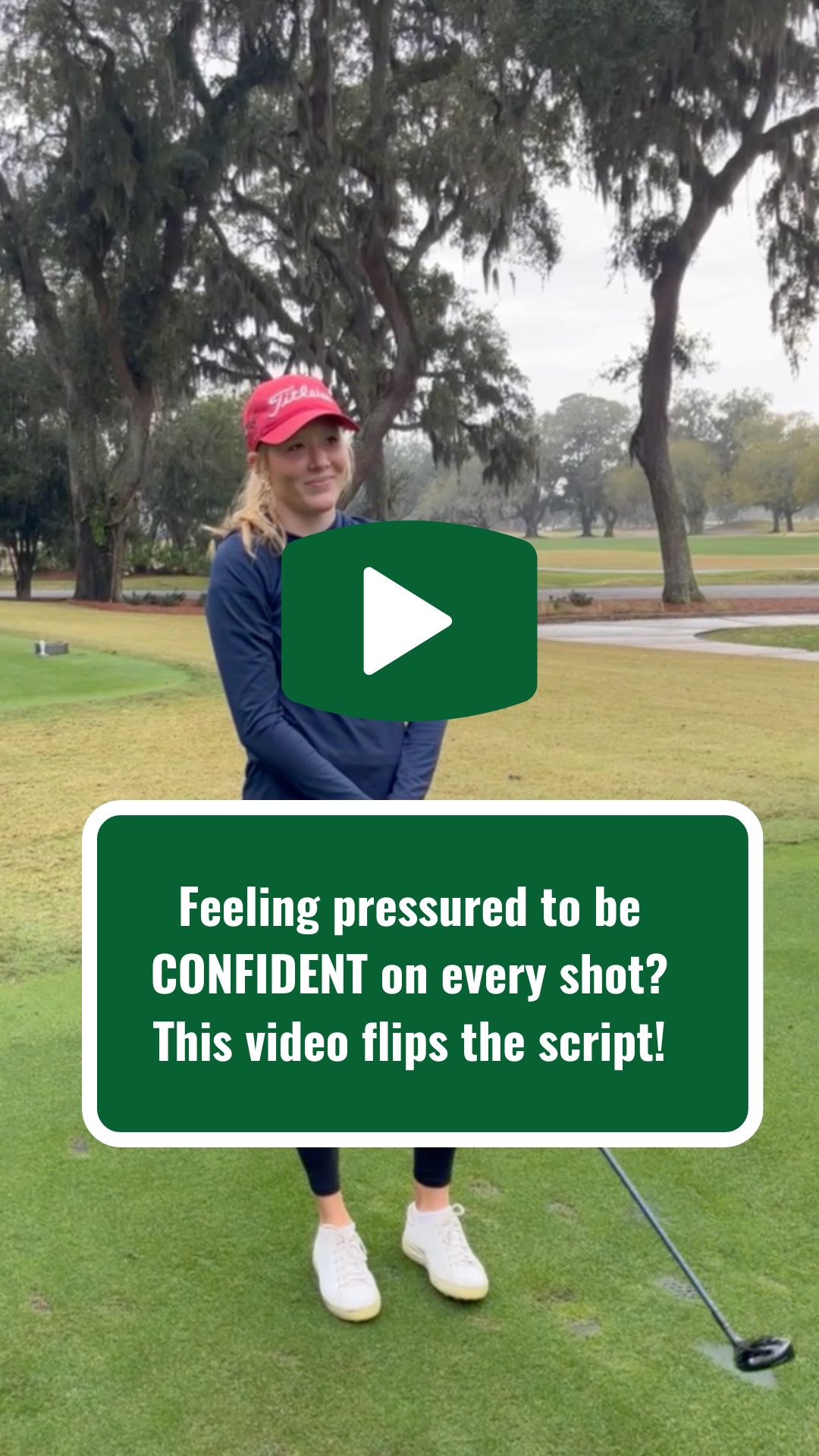
Georgia’s session shows how powerful it is to shift your focus from outcome to commitment. When you rely on your routine — even when you don’t feel great — you’re giving yourself the best chance to perform confidently, even on the first tee.
The Importance of Mental Game in Golf
The mental game of golf is as crucial as the physical aspects. It encompasses everything from managing stress and maintaining focus to employing visualization techniques and staying positive. Many golfers overlook this area, but mastering the mental game of golf can be the key to unlocking consistent golf performance and achieving lower scores. Understanding how to manage your thoughts and emotions is essential for playing your best golf.
Understanding Golf Nerves and Their Impact
Golf nerves are a common experience, affecting even the most seasoned professional golfer. These nerves can manifest as anxiety, tension, and negative self-talk, which can significantly impact your ability to execute shots effectively. Understanding the root causes of golf nerves is the first step in learning how to manage them. This awareness allows you to develop strategies to help reduce anxiety and improve focus.
One of the most common ways nerves show up on the course is through negative self-talk — the quiet comments you say to yourself after a missed shot. Learning to manage that inner dialogue is key to staying calm and confident.
In the short video below, I share a simple but powerful mindset shift: say the positive things out loud and keep the negative ones in your head. This small change can completely alter the way you process your round and build confidence over time.
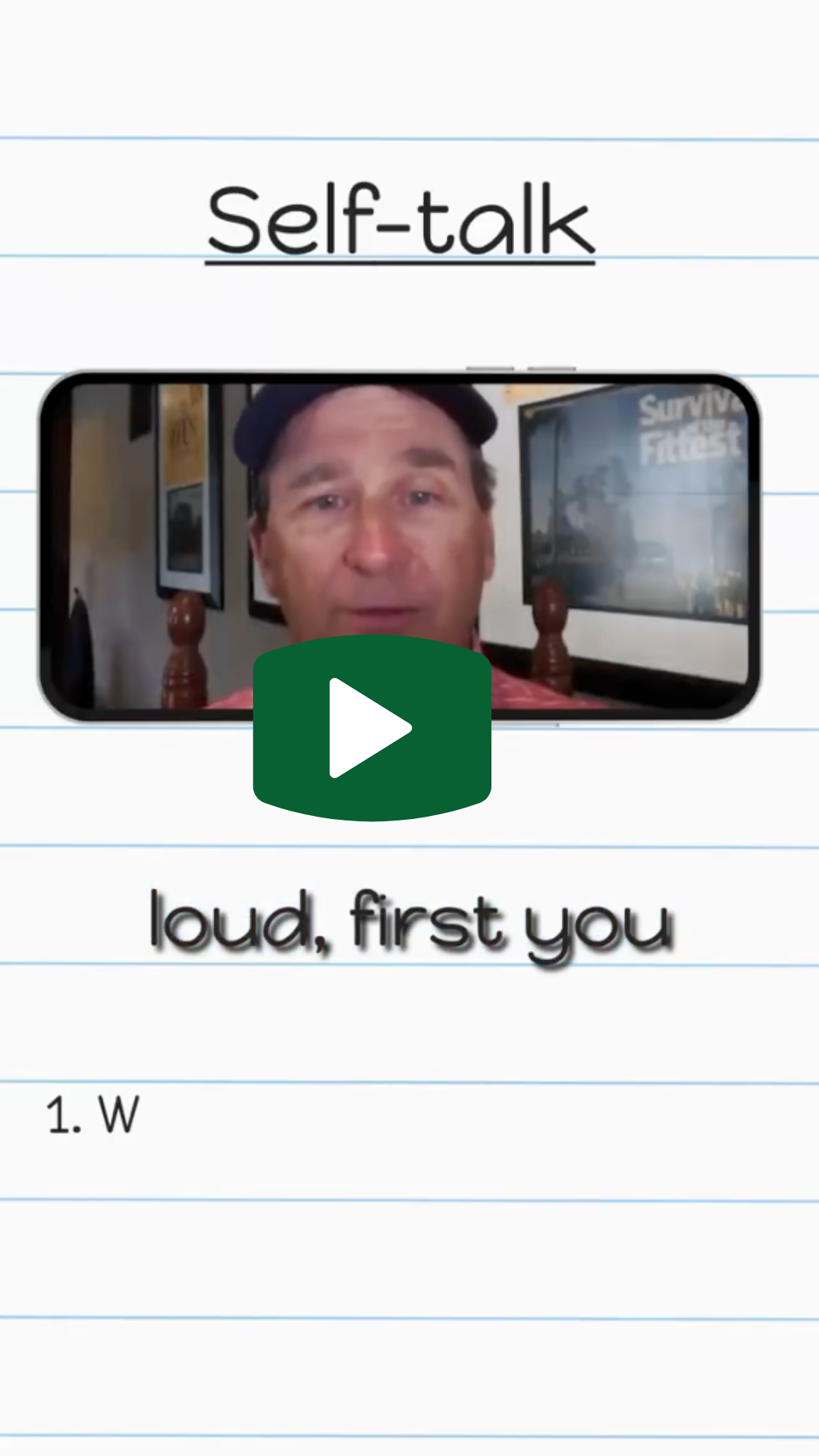
By verbalizing positive thoughts — even quietly — you reinforce constructive mental patterns. Over time, this helps you transform nervous tension into self-assurance, one shot at a time.
How First Tee Jitters Affect Performance
First tee jitters are a specific type of golf nerves that occur at the start of a round. The pressure of the first tee shot can be particularly intense, leading to a rushed swing, poor decision-making, and a bad shot that can ruin your round before it even begins. Overcome first tee nerves by understanding that they are normal and by implementing a pre-shot routine.
Common Triggers for Golf Nerves
Identifying common triggers for golf nerves is essential for developing effective coping mechanisms. These triggers can include performance pressure, fear of failure, comparing oneself to other golfers, or even specific aspects of the golf course. By recognizing these triggers, golfers can proactively implement mental strategies, such as deep breaths and visualization, to manage nerves and maintain focus throughout the round. A mental golf coach can also help identify these triggers and develop personalized strategies.
Developing a Pre-Shot Routine
A pre-shot routine is a sequence of actions a golfer takes before each golf shot to prepare both mentally and physically. Implementing a consistent routine helps the golfer stay calm, focused, and confident, reducing the impact of golf nerves and first tee jitters. By integrating a mental game strategy with physical preparation, golfers can enhance consistency and play better golf.
Elements of an Effective Pre-Shot Routine
An effective pre-shot routine should incorporate elements that promote relaxation and focus. This may include deep breathing exercises to help reduce anxiety, visualization of a successful tee shot, and specific physical actions, such as practice swings, to prime the muscles. Each element should be tailored to the individual golfer's preferences and needs, ensuring it supports their overall golf game and helps them conquer their nerves.
Practicing Your Routine on the Range
The driving range is the perfect place to practice and refine your pre-shot routine. Repetition is crucial for making the routine feel natural and comfortable, so when you're actually on the golf course the routine helps you stay calm. Spend time on the range working through your routine before each shot, focusing on maintaining consistency. A mental golf coach can provide personalized drills to ensure the routine is effective under pressure. Remember to practice deep breaths and visualization techniques as well.
How to Customize Your Pre-Shot Routine
Customizing your pre-shot routine involves identifying what works best for you and incorporating elements that address your specific needs. Experiment with different techniques and actions to find what helps you build confidence and maintain focus. Consider consulting a golf professional or mental golf coach to gain insights on how to optimize your routine for consistent golf. This way you can play better golf and shoot lower scores.
Why a Pre-Shot Routine Builds Confidence
To show how powerful a pre-shot routine can be in managing nerves, here’s a short conversation with one of my students, Hallie. She talks about how developing and trusting her routine has helped her stay focused and calm under tournament pressure.
Hallie’s experience is a perfect example of how a structured routine can reduce anxiety by giving your mind something positive to occupy itself with. When you trust your process — not the outcome — you quiet your nerves and give yourself the best chance to perform your best.
Strategies to Stay Calm on the First Tee
The first tee presents unique challenges, and having specific strategies to stay calm is essential for managing first tee nerves. A combination of deep breaths, visualization, and positive self-talk can significantly help reduce anxiety and improve your performance on the tee shot. Developing these strategies as part of your routine helps you start your round with confidence and play better golf and shoot lower scores. Mastering golf psychology is important for this.
A consistent pre-shot routine acts as an anchor—it helps calm your mind and focus your body on what you can control. The more you trust your process, the less space there is for nerves to interfere.
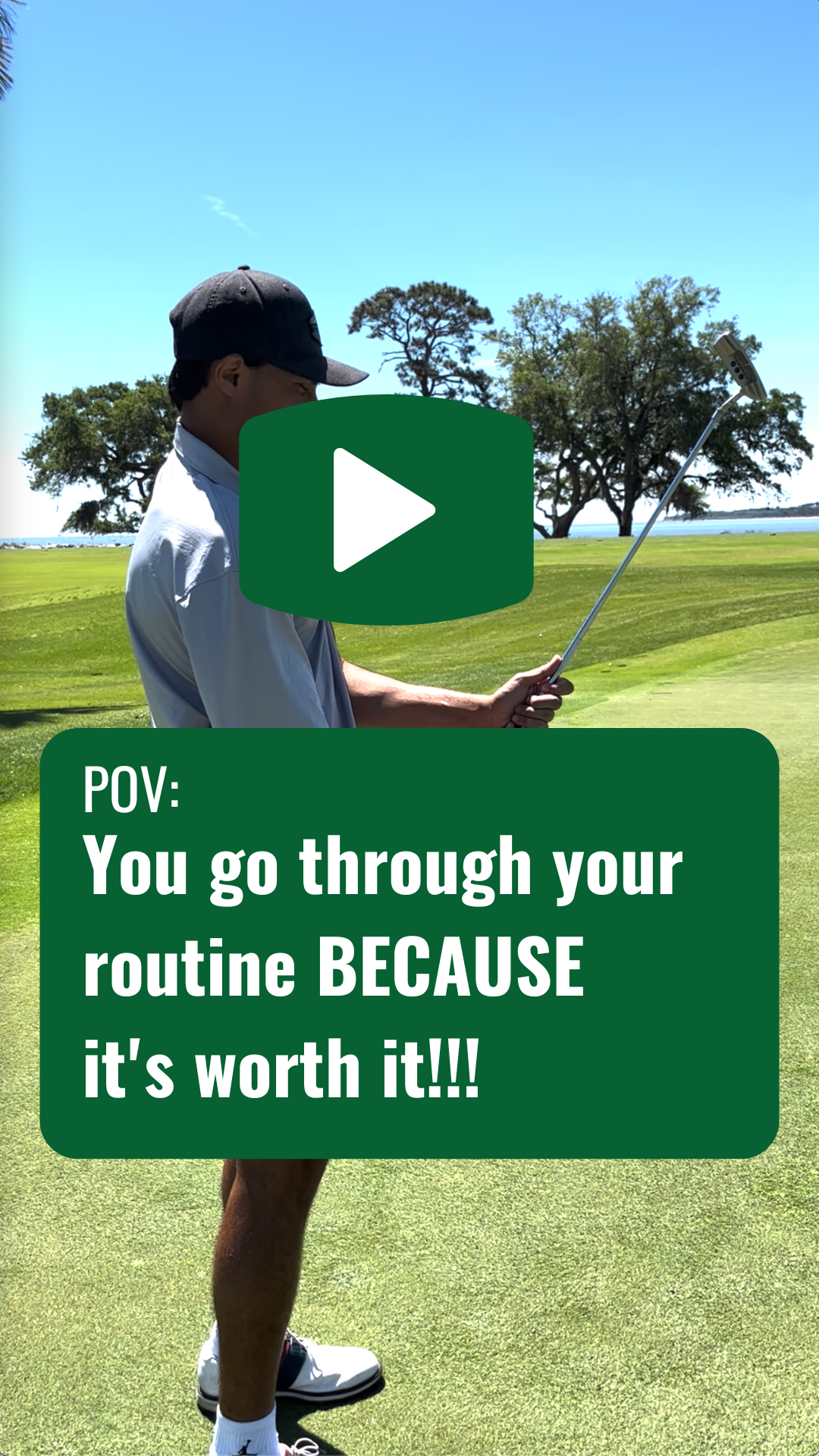
To see this in action, here’s a short video from one of my putting sessions where we walk through a simple but complete pre-shot process. As I remind my students — you go through your routine because it’s worth it. It’s what keeps you grounded, present, and ready to perform under pressure.
Breathing Techniques to Conquer Nerves
Effective breathing techniques can be powerful tools to conquer your nerves on the first tee. Try taking several deep breaths, inhaling slowly through your nose and exhaling fully through your mouth. These deep breaths can help calm your nervous system, reduce tension, and promote a sense of relaxation. Incorporate breathing exercises into your pre-shot routine to manage nerves effectively.
Visualization Techniques for a Successful Tee Shot
Visualization involves creating a mental image of a successful tee shot. Close your eyes and picture the trajectory of the ball, the feel of the club in your hands, and the positive outcome. This mental game technique can help build confidence, reduce golf nerves, and improve your focus on the golf course and you may find your game of golf has gotten better. This is the world of smart golf.
Positive Self-Talk to Overcome First Tee Anxiety
Positive self-talk is another effective strategy for overcoming first tee anxiety. Replace negative thoughts with positive affirmations and reminders of your abilities. Tell yourself, “I am a capable golfer,” or “I have practiced this shot many times.” Engaging in positive self-talk can help boost your confidence, manage golf nerves, and ensure you play your best golf, even under pressure. With a mental golf coach this can be easily attainable.
Improving Your Mental Game for Better Golf
To truly elevate your golf performance, you must cultivate your mental fortitude. This means actively working to enhance your focus, resilience, and ability to stay calm under pressure. By implementing the right mental game techniques, you can conquer your nerves, improve your decision-making, and unlock a new level of consistency in your golf game. This involves understanding your triggers for golf nerves and tailoring strategies to manage them effectively.
Building Confidence Through Preparation
Build confidence by ensuring you are fully prepared. Thorough preparation includes not only physical practice but also mental rehearsal. Visualize yourself executing successful tee shots, managing challenges, and maintaining composure throughout the round. A comprehensive golf practice plan, combined with a strong mental game, can significantly help reduce anxiety and help reduce first tee jitters and allow you to play your best golf.
Mindfulness Practices for Golfers
Mindfulness is the practice of being present in the moment. For golfers, this means focusing on the current shot, rather than dwelling on past mistakes or worrying about future outcomes. Incorporate mindfulness techniques into your pre-shot routine, such as focusing on your breathing and feeling the golf club in your hands, to stay calm and enhance your concentration on the golf course.
Reflecting on Past Successes to Boost Morale
Take time to reflect on your past successes on the golf course. Recalling positive experiences and successful shots can build confidence and create a positive mindset. Create a mental archive of your achievements and revisit it when you need a morale boost. This practice can serve as a powerful reminder of your capabilities and help you overcome first tee anxiety. Ultimately, it allows you to play better golf and shoot lower scores.
Conclusion: Embracing the Mental Game of Golf
Embracing the mental game of golf is essential for achieving consistent golf performance. By understanding your golf nerves, developing a pre-shot routine, and implementing strategies to stay calm and focused, you can conquer your nerves and enhance your overall playing experience. With the support of a mental golf coach, the path to improvement becomes clearer and more manageable.
Setting Goals for Mental Improvement
Set specific, measurable, achievable, relevant, and time-bound (SMART) goals for your mental game. Whether it's reducing negative self-talk or improving focus on the first tee, having clear objectives will guide your progress. Regularly assess your performance and adjust your goals as needed, ensuring that you are always striving to improve your smart golf. This will allow you to play better golf and shoot lower scores.
Continued Practice and Reflection
Consistent practice and reflection are vital components of mastering the mental game. Dedicate time to regularly practice your pre-shot routine, deep breathing exercises, and visualization techniques. After each round, reflect on your mental performance, noting what worked well and areas for improvement. This ongoing process of practice and reflection will help you refine your mental strategies.
The Journey to Play Better Golf
The journey to play better golf is a continuous process of learning, adapting, and growing. Embrace the challenges, celebrate the successes, and never stop seeking ways to enhance your mental game. With dedication and the right approach, you can conquer your nerves, unlock your full potential, and enjoy the lifelong rewards of smart golf. Always remember the power of visualization and positive self-talk.

